




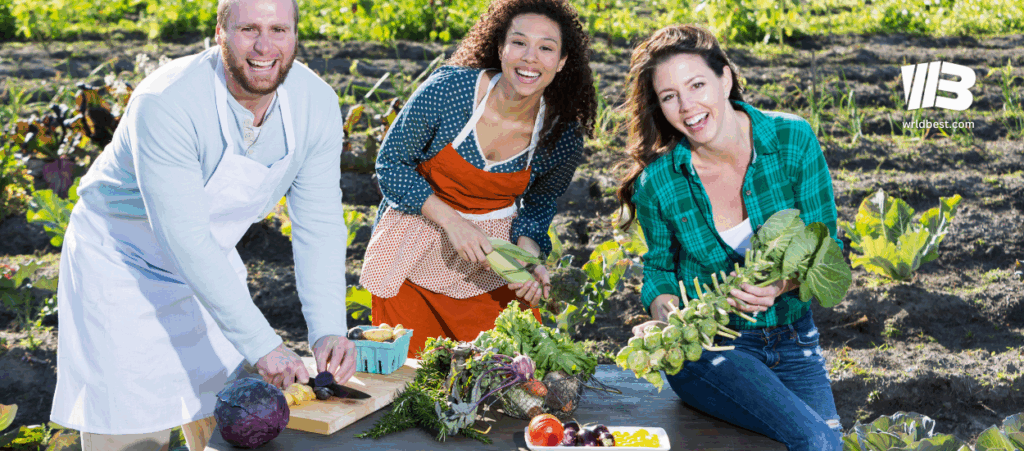
Each plate tells a love story—of soil, seasons, and hands that nurture—turning every meal into a tender celebration of place.
Farm-to-table dining has become a hallmark of sustainable and community-focused gastronomy across North America. Small, independently owned restaurants are leading this movement by forging deep connections with local farmers, producers, and artisans. Below, we spotlight eight exceptional farm-to-table establishments, each with a compelling story and a commitment to fresh, locally sourced cuisine.
“Whether it was the first restaurant, it was this restaurant, it was the inside of the Airstream or this, it was always about, ‘What can I create?”
The Lost Kitchen – Freedom, Maine
Nestled in the quaint town of Freedom, Maine, The Lost Kitchen is the brainchild of chef Erin French. After overcoming personal and professional challenges, including the loss of her first restaurant, French returned to her roots to create a dining experience that celebrates Maine’s rich agricultural heritage. Housed in a restored 19th-century mill, the restaurant offers a seasonal menu that changes daily, depending on the freshest local ingredients available.
What sets The Lost Kitchen apart is its unique reservation system: hopeful diners must send a postcard to request a table, with only a select few chosen each season. This approach reflects French’s desire to create an intimate, community-driven dining experience. Her story and culinary philosophy have garnered national attention, including a feature on the Magnolia Network’s “Getting Lost with Erin French.”
Check out their website and Instagram for more information.
Fable Kitchen – Vancouver, British Columbia
Fable Kitchen, located in Vancouver’s Kitsilano neighbourhood, was co-founded by chef Trevor Bird following his appearance on “Top Chef Canada.” The restaurant embodies the farm-to-table ethos, sourcing ingredients directly from local farms and producers. The name “Fable” is a nod to the idea of food with a story, emphasizing transparency and connection between the diner and the source of their meal.
Under the leadership of head chef Matthew Villamoran and general manager Nicolle Vaupotic, Fable Kitchen continues to innovate while staying true to its roots. The menu evolves with the seasons, offering dishes that highlight the bounty of British Columbia. The restaurant’s commitment to sustainability and community engagement has earned it recognition, including a Bib Gourmand designation from the Michelin Guide.
Check out their website and LinkedIn for more information.
Farm & Table – Albuquerque, New Mexico
Farm & Table, situated in Albuquerque’s North Valley, is the vision of owner Cherie Montoya. Born and raised in the area, Montoya was inspired by her family’s agricultural traditions to create a restaurant that honours the land and its bounty. The establishment sources up to 80% of its ingredients from local farmers, ranchers, and artisans, ensuring that each dish reflects the flavours of New Mexico.
The restaurant sits on a 12-acre property that includes its own farm, currently transitioning to permaculture practices. This commitment to sustainability extends to every aspect of the operation, from the food to the community events hosted on-site. Montoya’s dedication to local sourcing and environmental stewardship has made Farm & Table a beloved fixture in Albuquerque’s dining scene.
Check out their website and Instagram for more information.
Row Fourteen – Cawston, British Columbia
Row Fourteen is a unique farm-to-table restaurant located in Cawston, British Columbia, co-owned by chef Derek Gray and Kevin Klippenstein. The restaurant is situated on Klippers Organics Farm, a certified organic farm that supplies the majority of the ingredients used in the kitchen. This direct connection between farm and table allows for a menu that is both seasonal and deeply rooted in the local terroir.
“Thanks to our location, our dishes are extremely seasonal and nutritious, as well as economically and ecologically sound.”
Guests at Row Fourteen dine amidst orchards and fields, experiencing firsthand the environment from which their food originates. The restaurant’s design and culinary approach emphasize transparency and sustainability, creating an immersive dining experience that celebrates the Okanagan Valley’s agricultural richness.
Check out their website and LinkedIn for more information.
River Café – Calgary, Alberta
River Café, situated on Calgary’s Prince’s Island Park, was founded by Sal Howell in 1991. The restaurant began as a seasonal café and has evolved into a year-round establishment renowned for its commitment to local, sustainable cuisine. Howell’s vision was to create a dining experience that felt integrated with its natural surroundings, utilizing repurposed materials and emphasizing environmental stewardship.
Executive chef Kristen Livingston continues this legacy, crafting menus that highlight ingredients from over 60 local producers. River Café’s dedication to sustainability includes using wind-generated energy, minimizing waste, and growing an edible garden on-site. The restaurant’s efforts have earned it recognition as one of Canada’s most eco-friendly dining establishments.
Check out their website and LinkedIn for more information.
Odla Restaurant & Market – Saskatoon, Saskatchewan
Odla Restaurant & Market in Saskatoon, Saskatchewan, is a collaboration between the culinary team and Farm One Forty, a local farm that supplies the restaurant with beef, lamb, pork, and vegetables. This partnership ensures that the menu is deeply connected to the land and its seasonal rhythms.
The restaurant also features an in-house market, allowing guests to purchase farm-fresh products to take home. Odla’s commitment to transparency, sustainability, and community engagement makes it a standout in the farm-to-table movement, offering a holistic approach to dining that encompasses both the restaurant and the marketplace.
Check out their website and Instagram for more information.
The Kitchen – Boulder, Colorado
The Kitchen in Boulder, Colorado, was co-founded by Kimbal Musk and Hugo Matheson with the goal of fostering community through food. The restaurant emphasizes simple, seasonal dishes made from locally sourced ingredients. Musk’s background in technology and passion for sustainable agriculture have influenced The Kitchen’s mission to create a positive impact on both people and the planet.
Beyond the restaurant, Musk has initiated programs like Learning Gardens, which bring modular gardens to schools to educate children about food production. The Kitchen’s commitment to community, sustainability, and education exemplifies how a restaurant can be a catalyst for broader social change.
Check out their website and LinkedIn for more information.
Conclusion
These seven restaurants exemplify the farm-to-table philosophy, each bringing a unique perspective to sustainable dining. Through their dedication to local sourcing, environmental stewardship, and community engagement, they offer more than just meals—they provide experiences that connect diners to the land and the people who cultivate it.
To get even more inspiration, check out 7 Small Businesses in NYC Revolutionizing Sustainable Fashion with Zero Waste and 5 Local Boutiques in Montreal Bringing Unique Home Decor Designs to Life.


























Leave a Comment
Your email address will not be published. Required fields are marked with *