



Our oceans choke on 400 million tons of packaging waste annually while these five companies fight desperately to save what’s left.
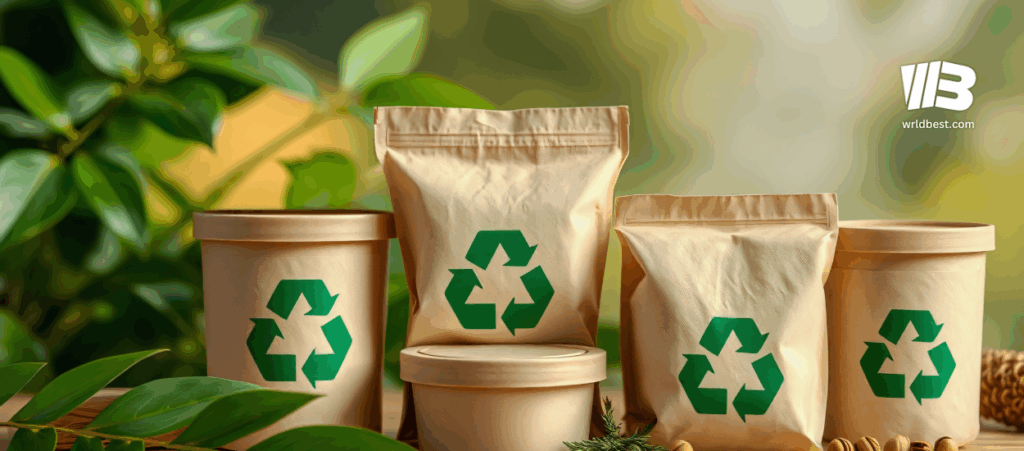
The global packaging industry generates over 400 million tons of waste annually, with traditional plastics taking centuries to decompose while polluting our oceans, soil, and food chain. Yet a new generation of innovative companies is proving that sustainable packaging isn’t just an environmental necessity—it’s a viable business solution that can meet industrial demands while protecting our planet. These five pioneering companies are transforming how we think about packaging through groundbreaking materials and processes that work with nature rather than against it.
“We’re committed to eliminating the plastic that enters our environment… that’s why we created sustainable, plant-based food ware that poses no risk to either land or sea creatures.”
Footprint: Engineering Plant-Based Packaging Solutions
Footprint has emerged as a leader in sustainable packaging innovation by engineering sophisticated fiber-based, plant-derived alternatives to traditional plastics that maintain the functionality businesses require while offering complete biodegradability. Their advanced material science approach creates packaging solutions using compostable, biodegradable, and recyclable fiber materials that can replace plastic across multiple industries without compromising performance or cost-effectiveness.
The company’s engineering-focused approach addresses one of the biggest challenges in sustainable packaging: creating materials that can withstand the demands of modern supply chains while remaining environmentally responsible. By focusing on fiber-based technologies, Footprint has developed packaging solutions that decompose naturally while providing the barrier properties, durability, and printability that brands need, proving that environmental responsibility and commercial viability can coexist seamlessly.
Check out their LinkedIn and website for more information.
Vegware: Revolutionizing Foodservice with Plant-Based Packaging
Vegware has transformed the foodservice industry by creating comprehensive lines of plant-based, compostable packaging including cups, containers, and cutlery specifically designed for commercial composting systems. Their products address the massive waste stream generated by foodservice operations, offering restaurants, cafeterias, and food vendors the opportunity to eliminate single-use plastic waste without sacrificing functionality or customer experience.
The company’s focus on commercial composting compatibility ensures that their packaging actually completes the sustainability cycle rather than simply shifting the environmental burden elsewhere. By working directly with waste management systems and composting facilities, Vegware has created an integrated solution that turns packaging waste into valuable compost, demonstrating how circular economy principles can be practically implemented in high-volume foodservice operations.
Check out their LinkedIn and website for more information.
Ecovative Design: Growing Packaging from Nature
Ecovative Design has pioneered one of the most innovative approaches to sustainable packaging by using mushroom mycelium and agricultural waste to create completely biodegradable alternatives to polystyrene foam packaging. Their EcoCradle technology literally grows packaging materials from fungal networks, creating custom-formed protective packaging that performs as well as traditional foam while decomposing naturally in any environment.
This biomimicry approach represents a fundamental shift from manufacturing packaging to growing it, using agricultural waste streams that would otherwise decompose unused. The company’s mycelium-based materials demonstrate how nature-inspired solutions can solve complex industrial challenges while creating negative-waste production processes. Their technology shows that the most sustainable packaging solutions may come not from recycling existing materials but from reimagining packaging as a biological process.
Check out their LinkedIn and website for more information.
Genecis Bioindustries: Transforming Waste into Bioplastics
Based in Canada, Genecis Bioindustries has developed groundbreaking biotechnology that transforms organic waste into biodegradable polyhydroxyalkanoates (PHAs), creating eco-friendly plastics suitable for packaging applications while addressing two environmental challenges simultaneously. Their innovative process diverts organic waste from landfills while producing genuinely biodegradable plastics that can replace conventional petroleum-based packaging materials.
“By making the switch to Genecis PHA, your packaging can be composted or will naturally biodegrade, reducing environmental pollution without significantly increasing production costs.”
The company’s biotech approach to plastic production represents a circular economy solution that turns environmental problems into sustainable business opportunities. By using organic waste as feedstock for PHA production, Genecis creates value from waste streams while producing packaging materials that biodegrade in marine environments, addressing both waste management and ocean pollution challenges through a single innovative process.
Check out their LinkedIn and website for more information.
Rootree: Custom Compostable Packaging Solutions
Rootree has established itself as a comprehensive sustainable packaging provider in Canada, specializing in compostable, recyclable, and flexible packaging solutions with in-house design and co-packing services that support businesses transitioning away from traditional plastic packaging. Their custom approach recognizes that sustainable packaging solutions must be tailored to specific product needs and supply chain requirements to achieve successful adoption.
The company’s integrated services model, combining custom design with co-packing capabilities, removes barriers that often prevent businesses from adopting sustainable packaging solutions. By offering end-to-end support from concept through production, Rootree makes sustainable packaging accessible to companies of all sizes while ensuring that environmental benefits don’t come at the expense of product protection, branding effectiveness, or operational efficiency.
Check out their LinkedIn and website for more information.
Conclusion
These five sustainable packaging innovators demonstrate that the future of packaging lies not in incremental improvements to existing plastics but in fundamental reimagining of materials and processes. Their diverse approaches—from advanced fiber engineering and plant-based polymers to mycelium cultivation and waste transformation—collectively address the packaging industry’s environmental impact while meeting commercial demands for performance and scalability.
Their success proves that sustainable packaging has moved beyond niche markets to become a viable mainstream solution that can compete with traditional materials on functionality, cost, and supply chain integration. As environmental regulations tighten and consumer awareness grows, these companies are positioned to lead the transformation of a trillion-dollar industry toward sustainability, demonstrating that environmental responsibility and business success are not just compatible but mutually reinforcing.
To get even more inspiration, check out 7 Small Businesses in NYC Revolutionizing Sustainable Fashion with Zero Waste and 5 Local Boutiques in Montreal Bringing Unique Home Decor Designs to Life.


























Leave a Comment
Your email address will not be published. Required fields are marked with *