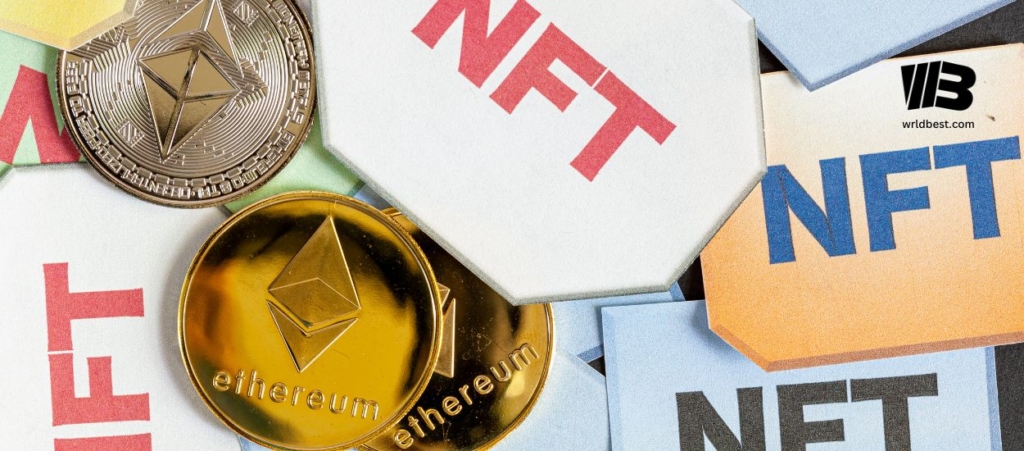
Art has always adapted to its time—paint on cave walls, ink on parchment, pixels on screens. Today, artists across North America are embracing NFTs.
I’ll be honest—when I first heard about NFTs, I didn’t understand them. To me, art was something you could touch, frame, hang on a wall. But that changed the day I wandered into a virtual exhibition out of curiosity. I remember the soft ambient music, the glow of pixelated brushstrokes, and the sensation of moving through a gallery that didn’t exist in any one place—yet felt powerfully present. One piece stopped me: a digital self-portrait that flickered between joy and despair. It felt personal, intimate. And I realized then: this wasn’t just a trend—it was a new language of expression. One that, like all art, sought to connect.
Art has always adapted to its time—paint on cave walls, ink on parchment, pixels on screens. Today, artists across North America are embracing NFTs and virtual galleries not for novelty’s sake, but to find new ways to tell stories, foster community, and reclaim control over their creative work. These seven artists and platforms are leading the charge, blending innovation with intention. Their work speaks not only to the future of art, but to its enduring purpose: to move, to reflect, and to connect us—even across digital space.
1. Beeple (Mike Winkelmann) – Wisconsin, USA
“I almost look at it now like I’m a political cartoonist… Except instead of doing sketches, I’m using the most advanced 3D tools to make comments on current events, almost in real-time.”
Beeple became a household name when his digital collage Everydays: The First 5000 Days sold for over $69 million. But beyond the headlines, his art remains deeply grounded in emotion and critique. His surreal, dystopian visuals explore consumerism, politics, and the absurdity of the modern world—through a lens both satirical and sincere.
Beeple’s use of NFTs isn’t about capitalizing on hype—it’s about permanence. His blockchain-backed pieces ensure that digital art can be owned, archived, and valued, just like a physical masterpiece. In doing so, he’s helped redefine what it means to create legacy in a digital age.
Check them out here.
2. FEWOCiOUS (Victor Langlois) – Seattle, USA
FEWOCiOUS’s art pulses with raw feeling. His bright colors and dreamlike figures reflect the internal landscapes of a young artist navigating gender, identity, and self-discovery. At only 21, Victor has become a beacon for Gen Z artists, using NFTs to share deeply personal stories and build financial independence.
His digital pieces sell for millions, yet remain grounded in vulnerability. Through virtual galleries and metaverse exhibitions, FEWOCiOUS reminds us that digital art can be just as intimate—and healing—as canvas and oil.
Check them out here.
3. Trevor Jones – Canada
Trevor Jones is a classically trained Canadian painter who made the leap into NFTs with grace and vision. His fusion of traditional oil painting and digital animation is more than a clever aesthetic—it’s a bridge between old-world craftsmanship and new-world accessibility.
Jones’ pieces often feature historical or pop cultural figures, layered with augmented reality and crypto symbolism. He doesn’t just adapt to new platforms—he elevates them, proving that legacy and innovation can walk hand-in-hand.
Check them out here.
4. Olive Allen – New York, USA
Olive Allen isn’t afraid to ask hard questions. Her digital art, often packaged as playful pop imagery, takes sharp aim at consumerism, internet culture, and gender politics. One of the first women to stake a claim in the crypto-art space, Olive is not just a creator but a builder—launching her own metaverse gallery called Mad Toy Junction.
She’s reshaping not just how we see art, but where we experience it—and who gets to own that space. Her work reminds us that disruption, when done thoughtfully, is also an act of care.
Check them out here.
5. Bryan Brinkman – New York, USA
“Generative art collectors are the snobbiest people… Understanding generative art requires a certain amount of intelligence because you have to understand math and code… Sometimes, people care more about the code than the output.” Brinkman
Bryan Brinkman’s 3D pop animations are as joyful as they are profound. His colorful characters explore mental health, anxiety, and the human condition in subtle, meaningful ways. Displayed at events like NFT.NYC and Art Basel, his work resonates both visually and emotionally.
In a medium often criticized for being cold or impersonal, Brinkman’s animations feel remarkably warm. They remind us that even pixels, when crafted with heart, can offer empathy and connection.
Check them out here.
6. imnotArt – Chicago, USA
More than a gallery, imnotArt is a movement. As Chicago’s first physical NFT art space, it creates immersive digital exhibitions that blur the line between online and offline. Visitors can explore curated shows in a physical room filled with digital screens—or step into the same gallery from home via the metaverse.
imnotArt serves as a community hub for digital creators, offering visibility and legitimacy in a fast-evolving space. It’s a reminder that virtual doesn’t mean distant—and that shared experience can transcend format.
Check them out here.
7. Pace Gallery – New York, USA
One of the most respected names in contemporary art, Pace Gallery has fully embraced NFTs, launching its own platform to host blockchain-based work. Their approach is deliberate and artist-focused, showcasing not just digital natives, but also established painters and sculptors transitioning into new mediums.
Pace brings institutional credibility to the NFT space, signaling to skeptics that virtual art is not a passing phase but an evolution. Their work elevates digital creativity and ensures it receives the thoughtful curation it deserves.
Check them out here.
Conclusion
The rise of NFTs and virtual galleries is not just a story of technology—it’s a story of artists finding new ways to be seen, heard, and remembered. These creators aren’t abandoning tradition; they’re expanding it. They’re proving that even in a world of code and screens, there is room for vulnerability, identity, activism, and awe.
Whether it’s a painted gif that lives forever on the blockchain or a virtual gallery built on empathy and imagination, these artists remind us that what makes art meaningful isn’t the format—it’s the feeling. And that feeling, when crafted with care, can echo across any medium, reaching hearts wherever they are.



















Leave a Comment
Your email address will not be published. Required fields are marked with *